Pickups







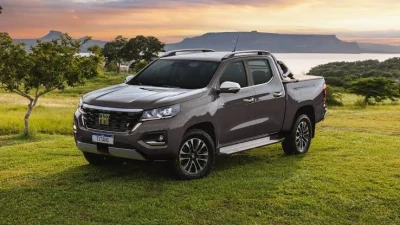
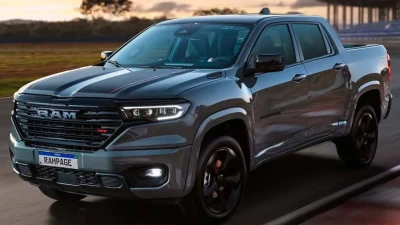
Ten years ago, Fiat introduced a pickup to the South American market that created an entirely new category — and changed the way every other automaker operating in the region viewed the segment. The Fiat Toro blended two concepts: it was a pickup, but also an SUV.
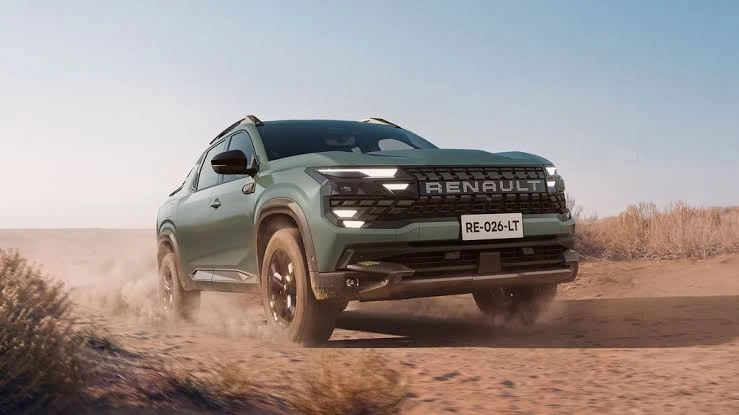
 Niagara: The new model was developed to take on the Fiat Toro (Renault/courtesy)
Built on the Jeep Renegade platform, the product took competitors some time to fully grasp. It was more comfortable and more stylish than Brazil’s small pickups, which were all derived from mainstream passenger cars, while costing less than midsize trucks such as the Toyota Hilux and Ford Ranger, both strong sellers in the region.
Renault is now making its second attempt to challenge the Fiat Toro. It has launched the Renault Niagara, a model with virtually identical dimensions but one where the French automaker’s engineers sought to gain an edge: by increasing interior space and addressing some of the most frequent complaints from Toro owners.
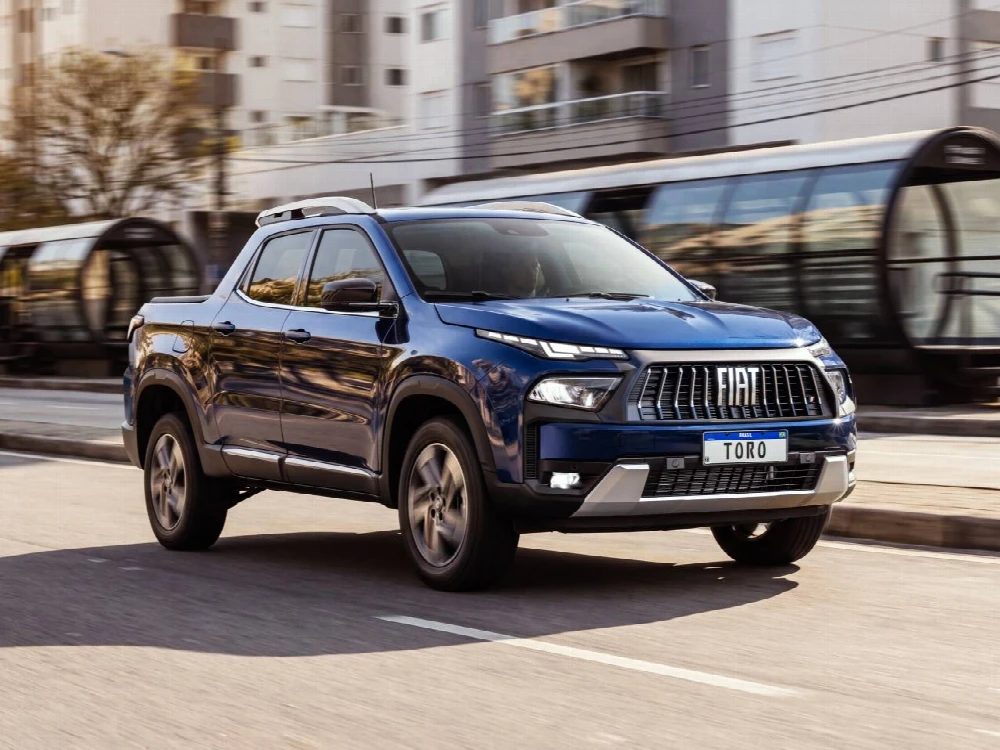 The Fiat Toro has been on the South American market for 10 years and remains the segment leader to beat (Fiat/courtesy)
The Niagara has begun production in Argentina at the plant that served Nissan until earlier this year. Before the Niagara, Renault had tried to take on Fiat with the Brazilian-built Renault Oroch, based on the Duster. It did not work. The Oroch was already dated, relying on an older platform and outdated styling cues.
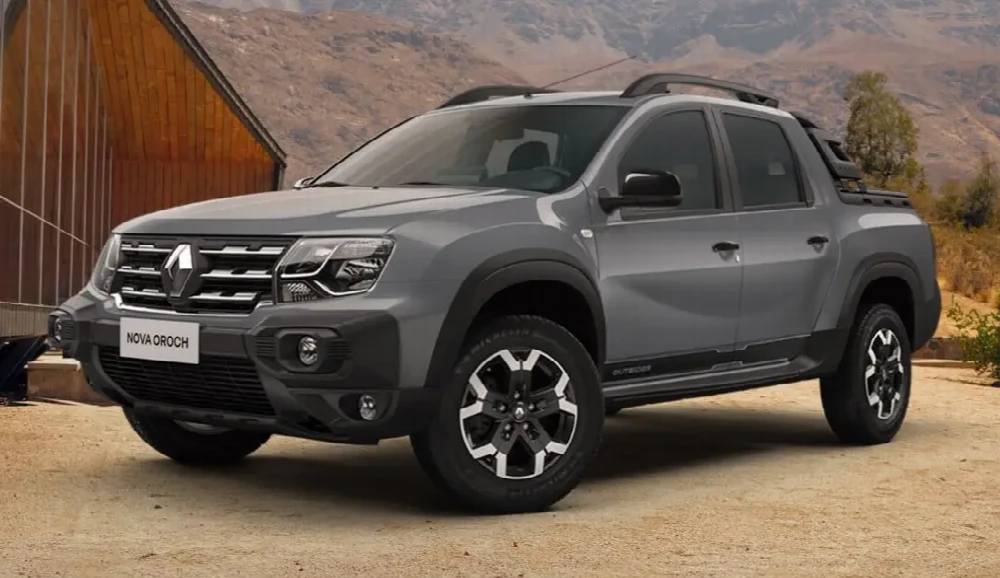 Renault Oroch has been on the South American market for 12 years but has never managed to gain real sales traction (Renault/courtesy)
Chevrolet was another brand bold enough to challenge Fiat and its “Renegade pickup.” It made plenty of noise when it launched the Montana, a pickup based on the Tracker. But it got the strategy wrong. The Tracker is smaller than the Toro, and the Montana continues to be outsold by a wide margin month after month.
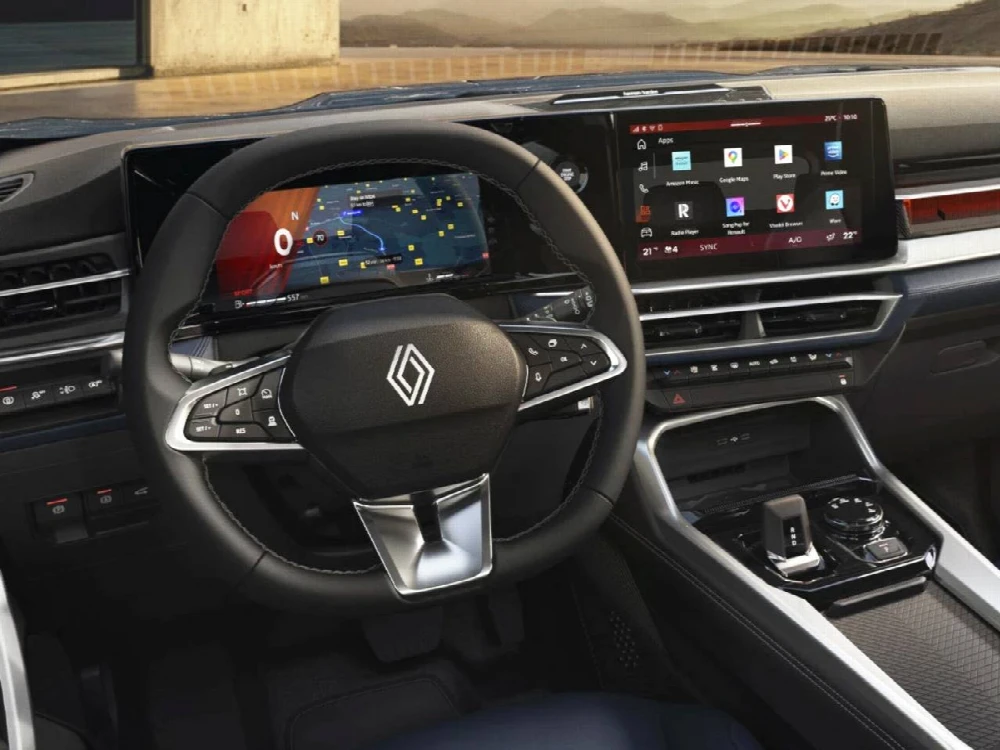 Renault Niagara interior, featuring a six-speed joystick-style gear selector (Renault/courtesy)
To put that into perspective, looking only at Brazil — the main market for these vehicles in South America — the Toro sells around 5,500 units every month. The Chevrolet Montana sells about 1,500 units, while the Oroch does not reach 900.
I have not yet driven the Niagara; so far, Renault has only held a presentation of the vehicle. But expectations are that it will offer comfort comparable to the Renault Boreal, which has also recently arrived in the region. Judging by the mechanical package Renault has fitted to the model and its highly innovative styling, the company appears to have taken the mission seriously.
The Niagara leaves the factory with a 1.3-liter turbocharged four-cylinder engine producing 160 hp and 27.5 kgfm of torque. It is broadly similar to what the Fiat Toro offers, but there are two important points to consider. Fiat’s pickup now comes with a mild-hybrid setup, although its hybrid system is limited to managing the starter motor. Renault, meanwhile, promises a more substantial hybrid system in the near future.
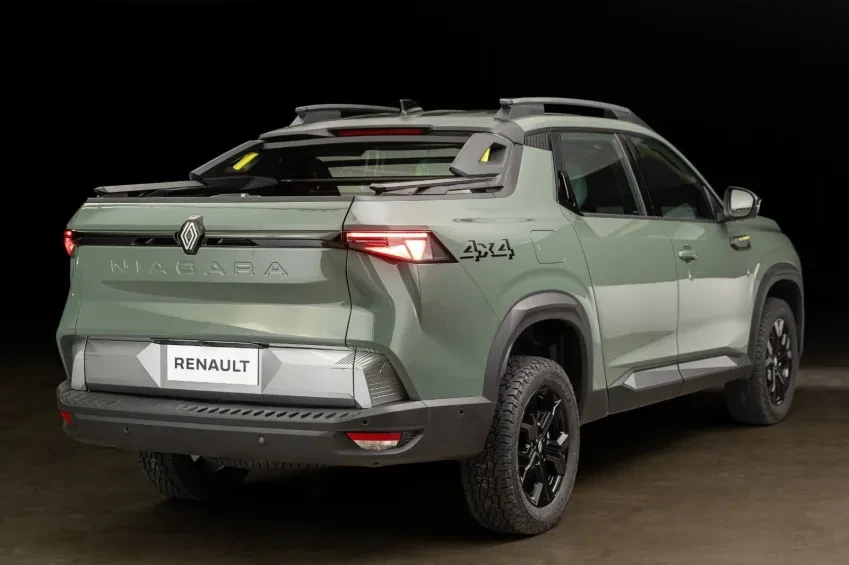 New Renault Niagara arrives to replace the Renault Oroch (Renault/courtesy)
The other point is design. Renault has struck the right note with an aggressive, modern look, while Fiat has kept essentially the same styling for 10 years and is not expected to redesign the Toro until 2028.
The Renault Niagara measures 4.94 meters long and 1.83 meters wide — virtually the same dimensions as the Fiat Toro. Its cargo bed holds 938 liters, exactly the same capacity as the Toro’s.
Renault has yet to announce the pickup’s pricing, but its rival sells for between US$32,000 and US$40,000. The Niagara will be offered with manual and automatic transmissions, as well as four-wheel drive.
The Niagara will be supplied to Argentina, Brazil and Colombia, with the possibility of reaching Mexico in the future. There are no plans for it to appear in markets outside Latin America.
Curiously, despite the Toro’s success across South America — where it was even sold under the Ram brand in some markets — Fiat has never taken its winning product beyond the region. Not even Italy, the company’s home country, has had the chance to enjoy the Toro. A missed opportunity.
Pickups
Brazil
New jeep

Trumps Tariffs
News
Comments